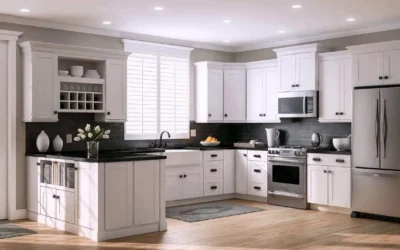
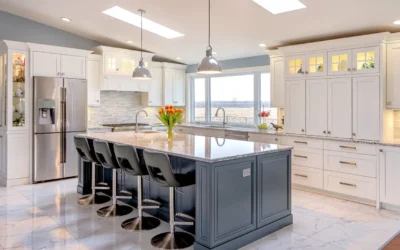
Are your wood kitchen cabinets starting to look greasy, dull, or sticky? Many homeowners believe that cleaning wood cabinets is complicated or that they need to buy expensive products to get them cleaned. This post will demonstrate how easy it can be to rejuvenate your kitchen cabinets, maintain their natural beauty, and preserve their finish all using supplies commonly found in your household. By following the steps below, you will learn how to clean wood cabinets safely and effectively, extract grease, avoid costly mistakes, and keep your cabinets looking their best for years to come.
Your Cabinets Matter: Understanding Wood Finishes
Before you start cleaning, it’s essential to know that not every wood finish is the same. If you understand the finish on your cabinets, this will help you properly plan and prepare to clean, while preventing unintentional damage.
Common Wood Finishes
- Painted – These cabinets are painted, so basically tiny chips will break down the paint and damage the finish. Be gentle when cleaning these cabinets.
- Stained – These cabinets are treated with a wood stain and sealing agent to enhance the natural wood grain color; they can also be treated with a protective sealant.
- Lacquered or Sealed with a Polyurethane – These cabinets are protected with a gloss or matte, depending on the style of cabinet, which is common in modern cabinetry.
Why does matter
Cleaning things the wrong way or with harsh cleaners can dull, peel, or even remove, the finish from your cabinets. The other consideration is that powerful chemicals (bleach for example) will literally eat through the protective coatings and too much water can swell the wood or cause warping as well. Overall, this again is why gentle, wood safe, cleaning methods are so important.
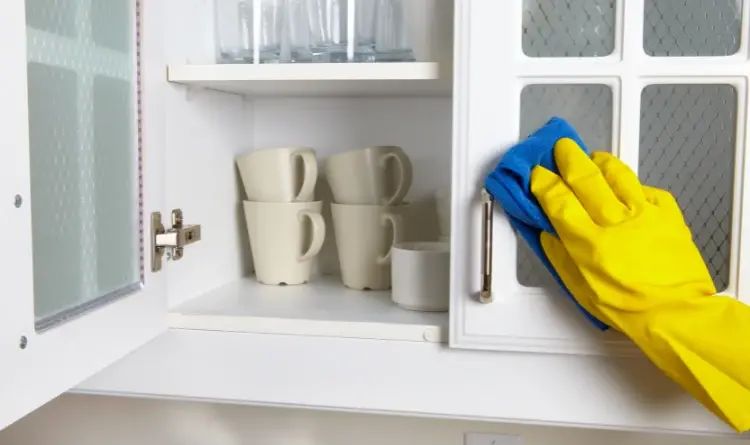
Essential Supplies You’ll Need
Here’s the list of tools and materials to gather before starting:
- Basic cleaning tools:
- Microfibre cloth (soft and non-abrasive)
- Spray bottle (for homemade solutions)
- Soft toothbrush or detailing brush (for tight corners)
- A dry towel or lint-free cloth
- Small bowl for creating cleaning pastes
- Optional supplies for tougher grease:
- Baking soda
- Mild dish soap
- Commercial wood-safe degreaser (test on a small area first).
Now that you know what you’ll need, it’s time to get started.
How to Clean Wood Kitchen Cabinets?
Step 1: Dust Your Cabinets
Use a dry microfibre cloth to gently remove surface dust. Dusting regularly ensures dirt doesn’t accumulate and scratch the finish during cleaning.
Step 2: Create a Gentle Cleaning Solution
For a homemade cleaner, mix 1 part white vinegar with 1 part warm water in a spray bottle. For greasy cabinets, add a small drop of mild dish soap. Avoid soaking the wood—it’s all about gentle cleaning.
Step 3: Test in an Inconspicuous Area
Always test your cleaning solution on an inside or hidden section of the cabinet to ensure it doesn’t harm the finish. This step prevents costly mistakes.
Step 4: Wipe Your Cabinets Gently
Dampen a microfibre cloth with the solution (do not oversoak it) and wipe the surface with gentle motions along the wood grain. Pay special attention to handles, edges, and corners, where dirt and grime tend to accumulate.
Step 5: Rinse and Dry
Wipe off any residue using a clean, damp cloth. Immediately dry the surface with a lint-free or microfibre towel to avoid watermarks or moisture damage.
Step 6: Tackle Grease Buildup
For stubborn grease spots, make a paste using baking soda and water. Apply it to the greasy area and gently rub it with a soft cloth or small brush. Once clean, remove the paste and wipe the surface with a damp cloth.
read more: How to Paint Wood Kitchen Cabinets Like a Pro: A Step-by-Step Guide
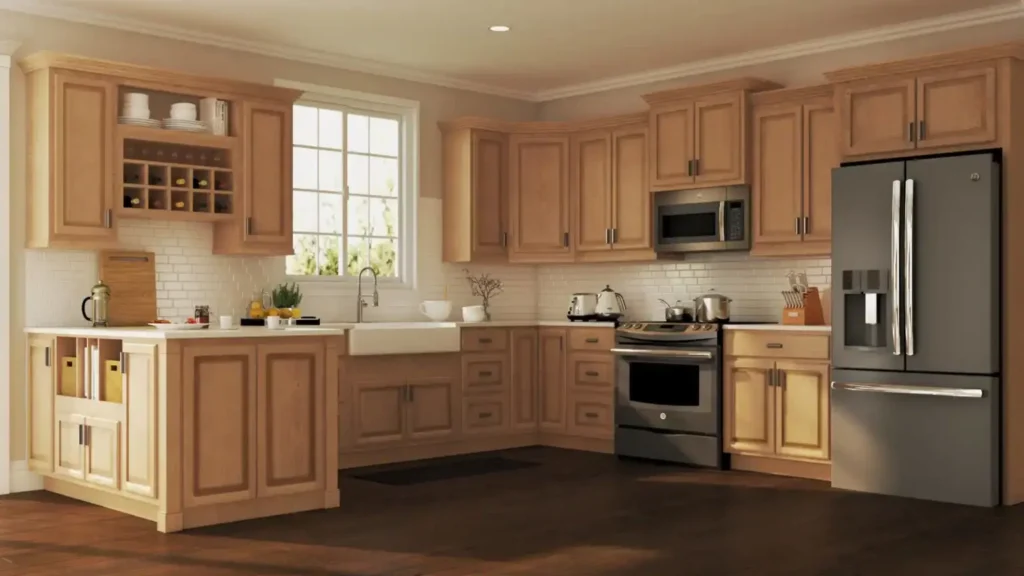
How to Clean Sticky Kitchen Cabinets Quickly and Safely?
Sticky kitchen cabinets are a problem many homeowners face, usually caused by humidity, grease, or food spills. Over time, cooking oils, sauces, and even moisture can leave behind a stubborn residue that makes your cabinets look dull and feel tacky.
The good news? Cleaning sticky cabinets doesn’t have to be stressful. With the right method, you can restore their smooth, spotless finish in no time.
Why Cabinets Get Sticky:
Sticky residues can develop for several reasons. Humidity in the kitchen, especially near the stove, combines with grease and food particles, leaving behind a sticky film. Cooking oils, sauces, and sugary substances like honey or syrup can also contribute to buildup on cabinet surfaces.
Natural Solutions vs. Store-Bought Removers:
- Natural Solutions: Vinegar is an excellent natural cleaner. When mixed with water, it cuts through grease and sticky residues effectively. Baking soda can also be used to scrub sticky areas without damaging the surface.
- Store-Bought Removers: For more stubborn buildup, store-bought sticky residue removers are designed specifically for kitchen surfaces. Look for a formula that is safe for your cabinet type (wood, laminate, etc.) and avoid harsh chemicals that may cause discoloration.
Detailed Steps for Cleaning Sticky Kitchen Cabinets:
- Step 1: Prepare a Cleaning Solution: Mix equal parts of white vinegar and warm water in a spray bottle. For tougher spots, add a tablespoon of baking soda to the mixture to create a paste-like consistency.
- Step 2: Apply the Solution: Spray the solution generously onto the sticky areas of the cabinet. Make sure to cover the entire surface where the residue is visible.
- Step 3: Let It Sit: Allow the solution to sit for a few minutes to break down the grease and sticky residue. This helps loosen the buildup for easier cleaning.
- Step 4: Gently Scrub: Using a non-abrasive sponge or cloth, gently scrub the sticky spots. Focus on areas with more buildup but avoid scrubbing too hard to prevent scratching the surface.
- Step 5: Wipe and Rinse: After scrubbing, wipe down the surface with a clean, damp cloth to remove any remaining residue and cleaning solution.
- Step 6: Dry and Polish: Finish by drying the cabinets with a soft towel. To maintain their shine and protect the surface, consider applying a light coat of furniture polish that’s safe for kitchen cabinets.
By following these simple and safe steps, you can effectively remove sticky residues from your kitchen cabinets, making them look brand new again. Regular cleaning will also help to prevent future buildup, ensuring your kitchen remains clean and fresh.
How to clean wood kitchen cabinets of grease?
Grease buildup is a common issue in kitchens, especially around cooking areas where oils and fats are frequently used. Over time, this grease can accumulate on your cabinets, leaving them sticky, dull, and stained.
Here’s a step-by-step guide to effectively remove grease from kitchen cabinets without causing damage to the finish.
- Understand What Causes Grease Build-Up: The main culprit behind grease buildup is splatters from cooking oils, sauces, and food particles that cling to cabinet surfaces. This sticky residue attracts dust, making it even harder to remove.
- Choose the Right Cleaning Solution: Start by selecting a degreaser or a natural solution like a mixture of vinegar and water. For heavier grease, a commercial degreaser can break it down more effectively. Always test any solution on a small, inconspicuous area first to ensure it doesn’t damage the finish.
- Apply and Let It Sit: Use a soft cloth or sponge to apply the cleaning solution to the greasy areas. Allow it to sit for a few minutes to loosen the grease, especially in areas with heavy buildup.
- Gently Scrub with Non-Abrasive Tools: Using a non-abrasive sponge or brush, gently scrub the surface. Avoid harsh scrubbing, as it can damage the finish or scratch the wood.
- Rinse and Dry: After cleaning, use a damp cloth to wipe away any residue from the cleaning solution. Follow up with a dry cloth to prevent moisture from damaging the wood.
Tips from Cabinet Makers: To protect the wood during grease removal, avoid using excessive amounts of water. Always dry the surface immediately after cleaning. Cabinet makers recommend using a wood conditioner or polish after cleaning to restore moisture and shine to the wood, helping to maintain its appearance over time.
By following these steps, you can remove grease from kitchen cabinets effectively while preserving their finish for years to come.
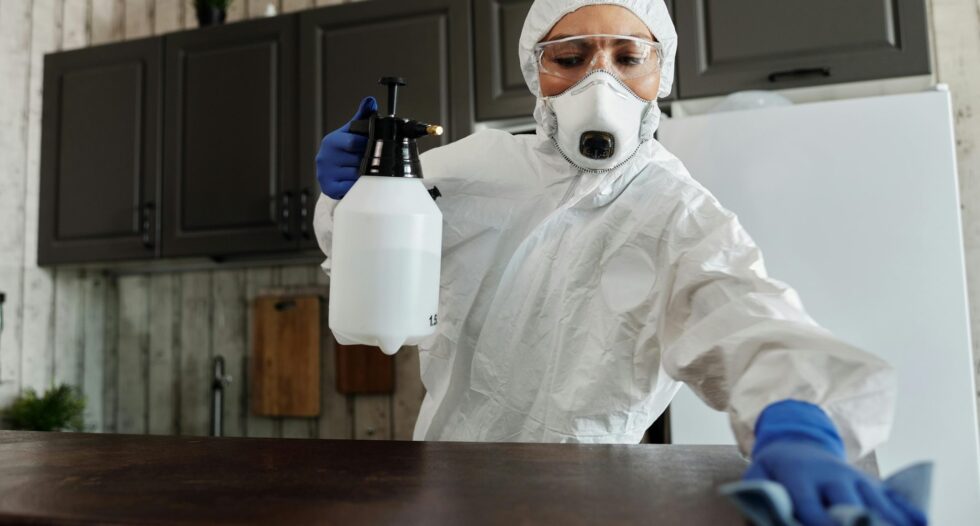
Avoid Common Wood Cabinet Cleaning Mistakes
Damaging your cabinets during cleaning can be both frustrating and costly. Avoid these common mistakes to keep them in excellent condition:
Mistakes to Avoid
- Using bleach or hydrogen peroxide: Both can strip finishes and discolour the wood.
- Scrubbing with abrasive pads: Steel wool or harsh scrubbers can scratch the surface.
- Allowing moisture to soak in: Never leave wet cloths or excess water on the cabinets, as it can lead to warping over time.
Long-Term Care Tips
- Wipe spills immediately to prevent stains.
- Dust your cabinets at least once a week with a dry cloth.
- Deep clean every 2–3 months, following the steps detailed above.
By following these tips, you’ll ensure your cabinets remain beautiful and functional for years to come.
Maintaining Shine with a Natural Polish
If your cabinets look clean but lack their original lustre, a wood-safe polish can help restore the shine.
DIY Natural Polish Recipe
Mix 1 part vinegar with 2 parts olive oil. Use a soft cloth to apply this mixture in circular motions, then buff it dry for a subtle shine. This method not only restores shine but also adds a layer of protection to your wood cabinets.
Store-Bought Polish
For a hassle-free option, choose a commercial wood polish designed for your cabinet finish. Always follow manufacturer instructions and test on a small section first.
Final Thoughts and Next Steps
Cleaning wood kitchen cabinets doesn’t have to be a daunting task. With just a handful of everyday household supplies and a little patience, you can refresh and maintain their natural beauty. By following these methods, you’ll keep your cabinets looking great and protect them from damage.
If your cabinets are beyond cleaning and need professional care, refinishing, or even a complete transformation, we’re here to help.
Check out our experts at Kabinetry.ca for tailored advice and services. Don’t forget to explore our gallery to see stunning cabinet transformations and inspire your next upgrade!